How Often Should You Water Your Lawn During a Sacramento Summer?
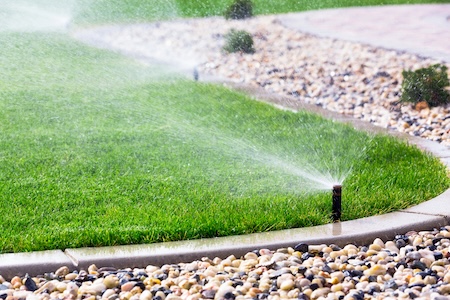
Sacramento summers are long, bright, and bone dry. If your grass struggles by July, it usually means your schedule needs a tune‑up. A clear, simple plan keeps color, reduces stress, and cuts waste. Start by following a practical sacramento lawn watering schedule built for our heat and low summer rainfall.
Even the best schedule falls short if your sprinklers are uneven or leaking. If you see dry rings, misting in the wind, or soggy spots, have a pro check the system and handle sprinkler repair before you adjust watering days. That way the water you pay for actually reaches the roots.
Why Sacramento Summers Change Your Watering Game
Our region has a Mediterranean climate: hot, dry summers and mild, wetter winters. From Natomas and Land Park to Arden‑Arcade and West Sacramento, daytime highs spike fast and overnight lows stay warm. Soil dries out quickly, so shallow daily sprinkles evaporate before roots can drink. For thicker turf through August, think in deep, measured soakings with recovery time in between. For more local context on heat and turf stress, see how how sacramento's hot, dry summers affect your lawn.
How Often To Water Lawns In California: Sacramento Edition
There is no single number that works for every yard. Grass type, sun exposure, soil, and wind matter. Most Sacramento lawns do best with deep, infrequent watering in summer. Cool‑season grasses like tall fescue need more frequent soakings than warm‑season types like bermuda.
- Tall fescue: deep watering 3 days per week in peak heat, with rest days between so the soil can breathe.
- Bermuda or hybrid bermuda: deep watering 2 days per week in peak heat, with longer soak times per session.
- Mixed or overseeded yards: start with the fescue plan, then reduce frequency if shaded areas stay soft for more than a day.
Every lawn should get a slow soak that reaches several inches into the root zone. Short, daily bursts invite shallow roots and crispy blades. Schedule water for early mornings when wind and sun are lowest so more reaches the soil. A simple rule of thumb: **water early in the morning** and let the lawn rest before the next cycle.
Deep Watering That Reaches The Roots
Deep watering trains roots to chase moisture down where soil stays cooler. If you’re unsure how deep the water is reaching, check the turf’s response later that day. Grass should spring back underfoot and hold color into the afternoon. If it wilts early, the soak did not go deep enough. If the surface stays soggy the next morning, it was too much. Aim for the middle ground and remember to **aim for deep, not daily, watering** as your guiding principle.
Watering Restrictions And Smart Conservation
Summer often comes with watering day limits and time‑of‑day rules across the Sacramento area. Those details can change by neighborhood or provider, so **follow your local watering days** and any posted guidance on runoff or overspray. Smart conservation helps your lawn and keeps you in step with regional drought planning.
You can stick to the rules and still protect your grass. Group your deep watering days, skip watering after measurable rain, and correct sprinkler aim so spray hits turf, not pavement. If you notice pooling at the curb, that wastes money and may violate local guidelines. It is also a sign your system needs attention.
Sample Summer Schedules You Can Trust
Use these as starting points. Tweak one element at a time, then watch the lawn for a week before making another change. Keep everything consistent across similar zones so you can see true results.
- Fescue‑heavy lawns in full sun: deep soak 3 non‑consecutive days per week during July and August; reduce to 2 days in September as nights cool.
- Bermuda‑dominant lawns: deep soak 2 days per week in summer; add a short pulse on extreme heat days only if grass wilts by late afternoon.
- Shady or narrow side yards: use the same number of days as the front yard but shorter soak times to prevent soggy soil.
If you see uneven green bands or dry arcs, there is likely a coverage or pressure issue rather than a schedule problem. That is the right time to bring in professional sprinkler system repair so your schedule can work as planned.
Microclimates, Soil, And Slope: Tune The Plan
Sacramento blocks vary a lot. East‑facing lawns warm earlier than shaded backyards in Curtis Park. Clay‑leaning soils in older neighborhoods hold moisture longer than lighter river‑influenced mixes near Pocket‑Greenhaven. Steeper front lawns shed water quickly, so they benefit from shorter soak sets to limit runoff.
Compacted soil keeps water near the surface where it evaporates. Seasonal lawn aeration opens tiny channels so water and air can reach roots. Pair that with a measured summer schedule and your turf will handle kids, pets, and weekend gatherings with less stress.
How To Read Your Lawn And Adjust
You do not need gadgets to spot watering issues. The lawn shows you what it needs if you know where to look. Use this quick checklist to fine‑tune the plan:
- Underwatering signs: blades fold or turn dull blue‑green, footprints linger, soil is dusty two inches down by mid‑day.
- Overwatering signs: mushrooms appear, thatch feels spongy, algae or moss grows in shade, and you notice puddles after cycles.
- Coverage issues: green rings around heads, brown patches between, runoff at the sidewalk. In these cases, adjust the hardware first, not the schedule.
When you notice puddling or spray hitting the driveway, stop and fix the cause. **watch for runoff or puddling** as a red flag that your system needs attention or your soak is too long for that zone.
Neighborhood Notes And Seasonal Tweaks
Downtown and Midtown lots with mature shade trees can stretch time between deep waterings, especially in late summer when nights cool. Open exposures in Natomas and West Sacramento often need the full schedule through early September due to afternoon breezes. In Arden‑Arcade and Land Park, mixed sun and shade call for separate, consistent plans for front and back lawns rather than one setting for the whole yard.
Sacramento’s first fall cool‑downs arrive fast. As evenings dip and daytime highs back off, reduce frequency before you shorten soak length. That keeps roots active while easing stress on the turf and your water bill.
Ready For A Lawn That Stays Green All Summer?
If your lawn still wilts even with a solid plan, or if you suspect hidden leaks or clogged nozzles, let Orchid Lawn Care help. Our team can assess zones, coverage, and pressure so your schedule works the way it should. To start strong, ask us to evaluate your system and handle any needed sprinkler repair. You can reach us at 916-800-1500 and we will get you on the calendar.
Want the big‑picture plan for a lush yard year‑round? Pair your summer schedule with soil‑building services and a seasonal checkup. When you are ready to upgrade performance and consistency across the yard, talk with us about an irrigation tune‑up and any sprinkler system repair your lawn may need. With the right routine and a little expert care, your grass can stay thick and healthy all summer in Sacramento.
We Take Great Pride In Offering Top Notch Lawn Care Services In Sacramento, Ca. Contact Orchid Lawn Care Today!