How Sacramento’s Rainy Season Impacts Your Lawn and What to Do About It
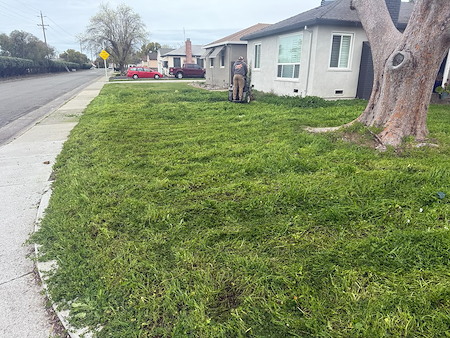
Sacramento’s winter rain can be a blessing for thirsty turf, but it also brings real challenges: pooling water, fungal flare-ups, squishy soil, and creeping moss. With expert Sacramento lawn care and well-timed lawn aeration, your yard can handle the storms and come out thicker, greener, and ready for spring.
From East Sacramento and Land Park to Natomas and Arden-Arcade, neighborhoods across the city share one thing in winter—heavy, sometimes stacked storms that leave lawns soggy for days. Below, you’ll see how rain changes your soil, why disease and moss take advantage, and what a professional plan looks like for reliable results.
What Sacramento Lawn Care Pros See Each Winter
Our region’s cool, wet months slow grass growth while keeping soil saturated. That mix limits oxygen around roots, strains turf, and creates prime conditions for disease. In shady pockets of Carmichael or tree-lined streets in Pocket-Greenhaven, moisture lingers even longer, which is why problems tend to cluster in the same corners of a yard year after year.
As storms stack up, water moves less like a gentle soak and more like a sheet across compacted clay. That’s when weak spots show—thin turf, ruts, or footprints that don’t bounce back. Those trouble signs tell you the root zone isn’t breathing well.
Why Rain Turns Soil Into A Sponge
Much of the Sacramento Valley has clay-heavy soil that compacts under traffic and stays wet after big rain. When pores close, water and air can’t move freely. Roots get less oxygen, which slows growth and weakens turf, especially in high-use areas like side yards, play zones, or along sidewalks where tires or carts pass.
Compaction also pushes water sideways instead of down. That’s why you might see puddles near patios or along the fence line while higher spots dry out. Over time, this uneven moisture pattern encourages patchy growth and shallow roots.
Drainage Problems That Show Up After Winter Storms
Storms expose where your lawn struggles to handle rainfall. Watch for patterns that repeat after every system rolls through:
- Standing water that lasts more than a day in the same low spots
- Footprints or mower tracks that remain visible on soft turf
- Runoff lines where water escapes instead of soaking in
- Thinning grass in constantly wet, shaded areas
These are root-zone problems, not surface-only issues. They point to soil that needs relief, not just a quick rake or a different mowing pattern.
The Fungal Diseases That Thrive in Cool, Wet Lawns
Cool, damp conditions set the stage for turf diseases that leave patches, discoloration, or a dusty coating on blades. In Sacramento, lawns often show rust-like spotting, circular or irregular blighted areas, and slow recovery in zones where water lingers. Shorter daylight, heavier dews, and soggy soil all contribute to these flare-ups.
Professional lawn disease control focuses on identification, timing, and follow-through. The goal is to interrupt disease cycles and strengthen turf so it resists the next wave of storms. If you notice rapid spreading or a musty odor after rain, act quickly so the damage doesn’t expand into healthy turf.
Where Moss Sneaks In and What It Signals
Moss isn’t just a cosmetic problem. It points to low light, poor airflow, acidic or compacted soil, and chronic moisture. You’ll often see it along north-facing fences, beneath mature trees, or in narrow side yards between homes where sun angles stay low in winter.
Targeted treatments help suppress existing moss, but lasting control depends on addressing the cause. Improving soil structure and getting more oxygen to roots reduces the conditions moss loves.
Why Lawn Aeration in Sacramento Matters During Rainy Months
Core aeration opens channels through compacted soil so water, air, and nutrients can move into the root zone. After heavy winter rain, those channels help break the cycle of puddling and runoff. Stronger roots handle stress better, which means turf rebounds faster when our weather flips to spring warmth.
In neighborhoods like Land Park or Pocket-Greenhaven, where mature trees add shade and leaf litter, aeration helps relieve the added load on soil structure. In Natomas and other low-lying areas, it gives saturated turf a way to breathe and recover when storms stack up.
How Professionals Tackle Wet Lawn Challenges
Rainy-season lawn care is about timing, diagnostics, and the right sequence. A trained eye looks past the surface to fix root causes. Here’s how a professional plan comes together while avoiding guesswork and wasted effort:
- Evaluate water movement and soil structure so treatments address the true bottleneck
- Relieve compaction with core aeration to restore oxygen flow and infiltration
- Apply targeted disease controls where pressure persists in cool, wet zones
- Reduce thatch and organic mats that trap moisture against the crown
- Tune irrigation schedules after storms so the lawn dries between cycles
When these steps work together, lawns grow thicker, resist disease, and shed water more evenly across the property.
Local Patterns Across Sacramento Neighborhoods
Every yard is unique, but winter trends show up citywide. East Sacramento often deals with leaf buildup and shade near older canopy trees, making disease and moss more persistent. Natomas lawns can stay wetter after back-to-back storms, so root oxygen becomes the priority. In Arden-Arcade and Carmichael, mixed sun and older irrigation systems can create a patchwork of soggy and dry areas that reveal subsurface compaction lines.
Driveways, sidewalks, and backyard patios also change water flow during storms. Small grade changes send water into the grass at odd angles, which is why the same crescent-shaped puddle may appear after every downpour. A professional look at your soil and flow patterns is the fastest way to put that mystery to rest.
The Role of Balanced Nutrition During Wet Weather
Healthy turf resists disease better and bounces back faster after storms. Balanced nutrition supports new root growth, especially after aeration opens pathways for uptake. Professionals time feedings so nutrients land when grass can use them, not when surplus will leach out in the next rain.
That measured approach helps protect nearby planting beds and hardscapes, too. When the lawn’s root zone is absorbing water properly, it’s less likely you’ll see runoff streaks across pavers or mulch washing onto sidewalks.
How Moss and Fungus Affect Curb Appeal and Safety
Moss mats hold moisture and can make walkways slick. Diseased or thinned turf invites weeds and bare spots that track mud inside after storms. Both problems make weekend routines harder and take the joy out of using your yard.
When you see recurring slickness or a patch that never dries, call it out early so it doesn’t turn into a larger repair. Quick action often means simpler treatments and a faster return to that clean, even look you want when spring arrives.
Putting It All Together With a Sacramento Lawn Care Partner
Consistency wins. Pairing seasonal assessments with strategic treatments stops winter damage from rolling into spring. Partnering with a trusted local team means your plan adjusts to real weather, not the calendar alone.
If you want a single place to start, connect with a local expert in Sacramento lawn care who understands our storm patterns and the clay-heavy soils across the Valley. Orchid Lawn Care builds each plan around your property’s sun, shade, and traffic so you get long-term gains, not short-lived fixes.
When to Act and What Results to Expect
Late winter into early spring is prime time to relieve compaction and prepare for growth. Once soils drain, core aeration creates the pathways your lawn needs to breathe and build new roots. With improved airflow and smarter water movement, turf thickens, disease pressure drops, and moss has fewer places to gain a foothold. You’ll see steadier color, fewer puddles, and grass that springs back underfoot. That recovery momentum carries into the long, dry summer because deeper roots handle heat better.
Let Orchid Lawn Care assess your lawn’s wet-weather challenges and build a plan that works for your soil, shade, and traffic patterns. Call us at 916-800-1500 to schedule your visit and get your lawn storm-ready for the rest of the season.
We Take Great Pride In Offering Top Notch Lawn Care Services In Sacramento, Ca. Contact Orchid Lawn Care Today!