Top Summer Lawn Care Tips for Sacramento Homeowners
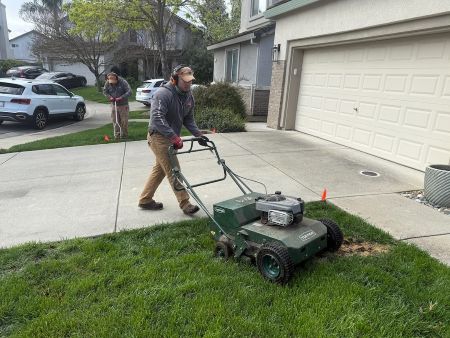
Sacramento summers are hot, sunny, and often dry, which is tough on grass. If you want a yard that stays green and safe for play, you need a plan for Sacramento lawn care that fits our climate. This guide explains how heat affects your lawn and what a professional team will do to protect it. If you want a set schedule and clean finishes, consider professional lawn mowing that matches summer growth and heat stress.
Why Summer Heat Changes Sacramento Lawn Care
From June through early September, afternoon highs often push soil temperatures up and pull moisture out fast. Tall fescue, a common Sacramento cool-season grass, slows its growth to conserve energy. Bermudagrass, a warm-season grass found in many sunny yards, loves the heat but still needs steady care to avoid thin spots.
Heat and low humidity increase evapotranspiration, so your lawn can lose more water in a day than it would in spring. Clay-heavy soils common around Elk Grove, Natomas, and parts of Rancho Cordova hold water unevenly, which can cause soft, soggy patches near sprinklers and dry hot spots along edges. A local lawn care crew reads these patterns and adjusts settings so water reaches roots without waste.
Smart Watering During Drought Conditions
Summer watering in Sacramento is about timing and depth, not guesswork. A pro aims for root-deep moisture that dries slightly between cycles so roots grow down, not up. **Water just before sunrise to reduce evaporation** and wind drift. Midday watering often evaporates and can leave blades heat-stressed.
Cycle-and-soak programs help clay soils absorb water. Your provider runs shorter cycles with rest periods so water sinks in instead of running off. They also group sunny, sloped, or corner zones that dry faster and adjust them a little higher than shaded zones so coverage stays even.
The right team will check pressure, misting, and arc patterns. Clogged nozzles and tilted heads steal water from the spots that need it most. They may use a soil probe or simple screwdriver test to confirm moisture is reaching 4 to 6 inches where most turf roots live in summer.
Ideal Mowing Height And Schedule In Summer
Mowing is more than keeping things neat. In heat, the right height shades soil, slows weeds, and lowers water loss. For tall fescue, most lawns perform best when kept higher in summer so the canopy shields the soil. Bermudagrass tolerates lower cutting, but blades still need enough leaf to fuel growth.
Ask your lawn care team to maintain consistent height through the hot spell. **Never remove more than one-third of the blade at a time** or the grass will shock, thin, and invite weeds. Sharp blades are essential because dull blades shred tips and speed up moisture loss. If growth slows during a heat wave, your crew will stretch the mowing interval slightly rather than cutting too much at once.
For a clean, even finish that protects your lawn as temperatures rise, schedule dependable lawn mowing service that keeps to a summer-appropriate height and pattern.
Fertilization Timing For A Healthy Summer Lawn
Fertilizer works best when it matches the grass type and season. Cool-season lawns like tall fescue prefer most of their nitrogen in fall and spring. During peak heat, a light, slow-release approach supports color without pushing soft growth that burns easily. **Avoid heavy nitrogen during extreme heat on cool-season lawns.**
Warm-season bermudagrass benefits from modest, steady feeding while it is actively growing. Slow-release products help reduce surge growth and cut the risk of burn when the weather turns hot. Your provider times applications with irrigation checks so nutrients move into the root zone instead of washing away.
If your yard has mixed sun, trees, or heavy foot traffic, your technician may tweak the plan by zone. They also watch soil pH and organic matter, which influence how well fertilizers work. For a plan tailored to your grass and soil, ask about a season-long lawn fertilization plan that pairs feeding with proper mowing and irrigation checks.
Preventing Heat Stress, Weeds, And Lawn Disease
Heat stress often shows up first in high-traffic strips along sidewalks, sunny slopes, and around hardscapes. Watch color and texture late afternoon when stress peaks. **Look for fast-fading footprints and a grayish cast** that do not bounce back by evening. Early action prevents thin spots that invite weeds.
- Dull, bluish-green color on the hottest part of the day can signal drought stress.
- Crunchy or folded blades mean the plant is conserving water.
- Patchy brown areas near edges often point to poor sprinkler coverage.
- Mushroom clusters or slimy patches after irrigation can indicate too much moisture.
Weeds love gaps. When grass thins from scalping or heat, spurge and crabgrass move in. A pro reduces opportunities by holding the right cut height, keeping blades sharp, and balancing water. They also monitor for fungal issues that pop up when warm nights and extra moisture collide, then adjust schedules to dry the canopy before evening.
- Keep mower blades sharp to limit frayed tips that lose water fast.
- Use crosshatch mowing patterns so wheels do not mat the same stripes each week.
- Check edges, corners, and parkway strips for hot spots that need small coverage tweaks.
- Limit heavy foot and pet traffic on heat-wave afternoons to prevent bruising.
Neighborhood Microclimates And Scheduling Across Sacramento
Not every Sacramento yard heats up the same way. Land Park and East Sacramento have mature trees that cast shade in the afternoon, slowing water loss. Natomas and parts of Elk Grove see stronger winds that can push sprinkler spray off target. Arden-Arcade and Carmichael can have heavier soils that pond if watering cycles run too long.
Evening Delta breezes help cool some neighborhoods, but late-night moisture can hang on grass. Your lawn care team may water earlier and mow later in the morning to avoid clumping or tire marks. In yards with big shade swings, they may vary irrigation and mowing patterns to match how sun and wind hit different sections of the turf.
Watering Best Practices That Save Your Lawn In Heat
Your lawn’s roots do the heavy lifting in summer. The goal is to keep moisture in the root zone without keeping it soggy. Pros use short test cycles to find the point where water starts to run off and then break up irrigation into smaller segments that soak in. They also check overlap at corners and along curves so no slice of turf is left thirsty.
Seasonal inspections catch cracks, dents, and small breaks that waste water. Sprinklers near driveways and sidewalks often shift over time. A few degrees of tilt can send precious water into the gutter. Small corrections and smarter timing protect both color and density.
If you are comparing providers, start with Sacramento lawn care trusted by neighbors who want consistent service and clear communication. Local crews know which zones dry faster after a 105-degree day and which patches need extra love when the Delta breeze misses your block.
How Pros Adjust Mowing Height And Frequency As Temperatures Rise
Growth slows when nights stay warm and afternoons sizzle. Instead of cutting deep, your team will hold or even raise the height a notch to shade the soil and ease stress. That prevents thin areas where weeds sprout after a single hot week. As growth rebounds after a cooler stretch, frequency picks back up so clippings stay small and return nutrients to the soil.
Edges matter. The narrow band along sidewalks and driveways bakes from reflected heat. Your provider may trim a touch higher there to protect roots, then switch back to the standard height in the main lawn. The goal is a smooth, even look that also buffers against heat, foot traffic, and dry wind.
Fertilizer, Water, And Mowing: Getting The Order Right
Timing is everything. Fertilizer works best when blades are healthy, the soil is moist, and irrigation is set to move nutrients into the root zone. After an application, pros avoid mowing too soon so product can settle. They also coordinate with watering schedules so you get color and density without runoff.
If a heat dome is forecast, many crews pause feeding cool-season lawns until temperatures moderate. **Do not push growth when grass is already stressed** or it can fade faster. When the weather breaks, a light, slow-release feeding paired with the right height helps lawns bounce back without shock.
What A Healthy Summer Lawn Looks Like In Sacramento
A dialed-in lawn stands up to soccer practice and still looks good on Sunday. Color is rich but not neon. The canopy feels springy underfoot, and footprints fade within minutes even on warm afternoons. Edges hold their line, and there are few weeds because the grass is thick and shaded at the soil line.
Great summer lawns are built on small, steady adjustments. Your provider watches shade lines move through the day, keeps blades sharp, and tunes irrigation by zone. That attention helps your turf ride out the next dry week without losing its shine.
Ready For A Summer-Strong Lawn?
Beat the heat with a local team that knows Sacramento soils, sun, and wind. Schedule your service with Orchid Lawn Care and set up mowing that protects color and density through the hottest months. Call 916-800-1500 or book reliable care through our lawn mowing page so your yard is ready for the next heat wave.
We Take Great Pride In Offering Top Notch Lawn Care Services In Sacramento, Ca. Contact Orchid Lawn Care Today!